ITOP Member
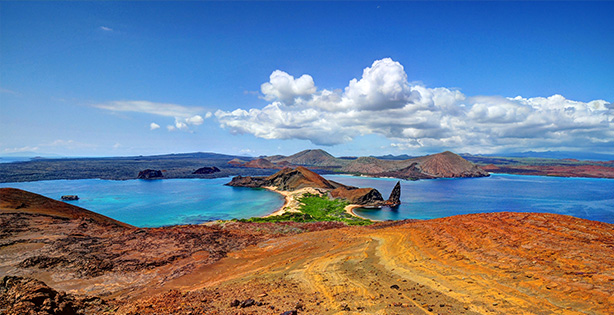
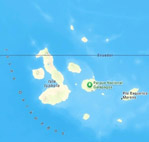
The Galápagos Islands are a volcanic archipelago about 600 miles off Ecuador’s coast, made up of over a dozen major islands. Highlights include Santa Cruz, Isabela, San Cristóbal and Floreana. Each island offers its own landscape, endemic wildlife and adventures. We invite you to explore this living laboratory of evolution.
Penang
Puerto Baquerizo Moreno
28,583
Spanish
Seymour Ecological Airport (Baltra) & San Cristóbal Airport
Subtropical – warm/wet (Jan- May), cooler/dry season (Jun-Dec)
US Dollar (USD)
290,000 +annually (2025)
: Tourism & Ecotourism, Fishing
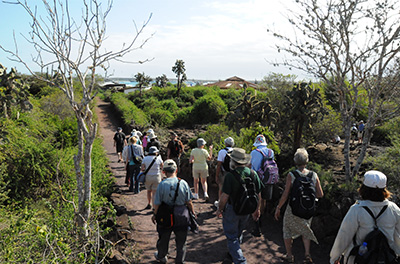
Santa Cruz is the most visited island in the archipelago and its main tourism hub. Its port town, Puerto Ayora is the largest settlement in the Galápagos and the gateway to the Charles Darwin Research Station, where a tortoise breeding program supports the islands conservation efforts. Hike through the highlands to see giants tortoises roaming wild, snorkel and swim at the white-sand Tortuga Bay, or cool off in the crystal-clear lava rock pools of Las Grietas. With its central location lively town and easy access to day tours. Santa Cruz is the ideal base for exploring the rest of the islands
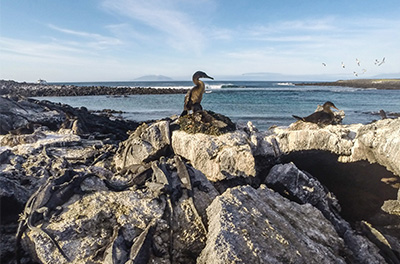
Isabela is the largest island in the Galápagos, formed by the merger of six volcanoes and shaped like a seahorse. From port town of Puerto Villamil, hike to the rim of Sierra Negra, one of the largest active calderas in the world, or head out on the water to Los Túneles, a maze of lava rock arches teeming with rays, reef sharks and sea turtles. Snorkel alongside Galápagos penguins and marine iguanas at Las Tintoreras, just offshore. With its dramatic volcanic scenery and abundant wildlife, Isabela rewards travelers looking to get off the beaten path.
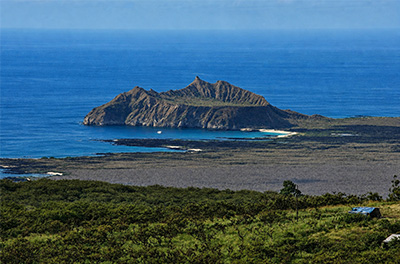
San Cristóbal is home to the provincial capital, Puerto Baquerizo Moreno, and was the first island Darwin set foot on. Climb Tijeretas Hill for sweeping views and a frigatebird colony, or hike above El Junco Lagoon, a freshwater crater lake in the highlands. Snorkel and dive at Kicker Rock (León Dormido), a dramatic split rock formation rising from the sea, or visit Punta Pitt, the only site in the Galapagos where all three species of booby nest together. San Cristóbal blends island history with some of the archipelago’s best wildlife encounters.
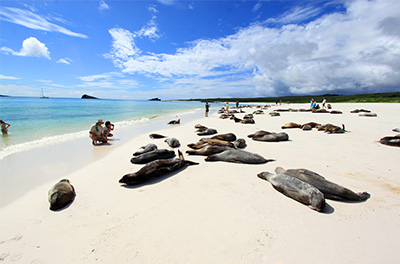
One of the earliest settled and smallest inhabited islands. Floreana carries a colorful pioneer history alongside quiet natural beaty. Leave a postcard in the wooden barrel at historic Post Office Bay a tradition dating back to 18th-century whalers, then relax on the olivine-flecked green sand beach at Punta Cormorant. Snorkel around Devils Crown, a submerged volcanic cone rich with tropical fish, sea lions and the occasional hammerhead shark. Floreana’s small population and slower pace make it a peaceful counterpoint to the archipelago’s busier islands.


